





The dawn of the 17th century marked a pivotal moment in human history—the emergence of the Scientific Revolution. This transformative period reshaped humanity's understanding of the cosmos, laying the groundwork for modern science.

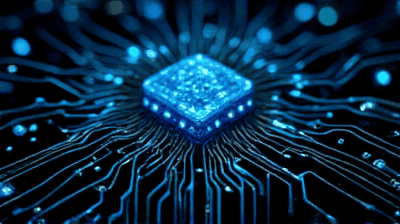
Artificial intelligence is transforming the technological landscape, powering innovations in diverse fields such as healthcare, finance, transportation, and entertainment. Traditionally, most AI systems have relied on conventional computing architectures, primarily utilizing centralized processing units (CPUs) and graphics processing units (GPUs). However, as the demand for more efficient and powerful AI systems grows, researchers and engineers are exploring alternative computing paradigms. One of the most

In recent years, the dark web has become a focal point of concern for cybersecurity experts, law enforcement agencies, and the general public. This hidden part of the internet is notorious for hosting illicit activities, including the trafficking of stolen data.dark web, stolen data, underground markets, cybercrime, identity theft, cybersecurity, data breaches, hacking, personal identifiable information, ransomware

In the digital age, websites are the online storefronts of businesses, information hubs, and social platforms. However, these virtual spaces are increasingly vulnerable to a disruptive and malicious type of cyber attack known as a Distributed Denial of Service (DDoS) attack.